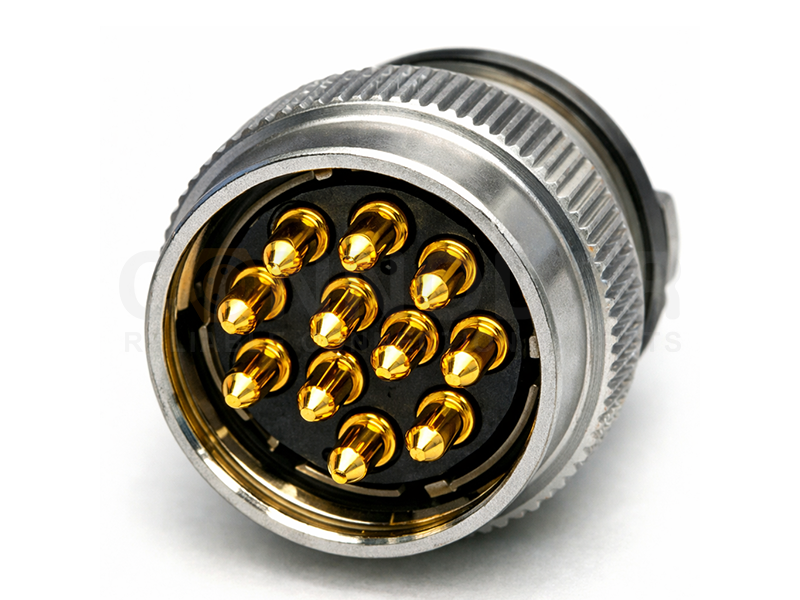
Why are connector terminals gold - plated?
- Share
- Issue Time
- Apr 3,2026
Summary
Gold plating of connector terminals is a critical technology used to enhance electrical performance and long-term reliability. Many engineers and buyers often ask: why are connector terminals gold-plated? The answer lies in gold’s unique properties, which significantly improve conductivity, durability, and resistance to environmental factors.
Why are connector terminals gold - plated?
Introduction
Gold plating of connector terminals is a critical technology used to enhance electrical performance and long-term reliability. Many engineers and buyers often ask: why are connector terminals gold-plated? The answer lies in gold’s unique properties, which significantly improve conductivity, durability, and resistance to environmental factors.
Circular Connectors
Rugged, compact and versatile — ideal when you need mixed power & signal plus environmental protection.
What Is Gold Plating of Connector Terminals?
Gold plating is an electrochemical process that deposits a thin layer of gold onto connector terminals, typically over a nickel barrier layer. This process improves both electrical performance and mechanical durability.
Enhances conductivity and signal stability
Prevents oxidation and corrosion
Extends connector lifespan
Ensures reliable performance in harsh environments
At CONNODER, advanced plating technology is used to ensure uniform thickness and strong adhesion, delivering high-performance connector solutions for global industries.
Why Are Connector Terminals Gold-Plated?
1. Exceptional Corrosion Resistance
Gold is a non-reactive metal that does not oxidize or tarnish. This makes it ideal for connectors exposed to humidity, chemicals, or extreme environments, ensuring long-term reliability.
2. Stable and Low Contact Resistance
Gold provides consistently low contact resistance, which is essential for accurate signal transmission in low-voltage and high-frequency applications.
3. Superior Durability
Gold-plated connectors can withstand repeated mating cycles without significant wear, especially when hard gold plating is used.
4. Reliable Signal Integrity
Gold plating minimizes signal loss and ensures stable performance, making it ideal for critical applications such as medical and aerospace systems.
Gold vs Other Plating Materials
Different plating materials offer varying levels of performance. Below is a comparison:
| Material | Corrosion Resistance | Conductivity Stability | Cost |
| Gold | Excellent | Very Stable | High |
| Tin | Moderate | Less Stable | Low |
| Silver | Good (tarnishes) | High | Medium |
Gold Plating Process in Connector Manufacturing
Surface cleaning and preparation
Nickel underplating as a diffusion barrier
Gold electroplating with controlled thickness
Inspection and quality testing
CONNODER applies strict quality control processes to ensure consistent plating performance and compliance with international standards.
Applications of Gold-Plated Connector Terminals
Industrial automation systems
Automotive electronics
Medical equipment
Telecommunication devices
Aerospace and defense
CONNODER offers a wide range of circular connectors including M5, M8, M12, and 7/8” connectors, all designed with high-quality gold-plated terminals for demanding applications.
About CONNODER
CONNODER is a professional connector manufacturer specializing in the development and production of high-performance connector solutions. With strong R&D capabilities and advanced manufacturing processes, the company provides reliable products for global customers.
Advanced plating and manufacturing technology
Strict quality control system
Custom connector solutions
Extensive industry experience
Conclusion
Gold plating of connector terminals remains the preferred solution for achieving superior electrical performance, durability, and corrosion resistance. Understanding why connector terminals are gold-plated helps businesses and engineers select the most reliable solutions for their applications.
Choosing a trusted manufacturer like CONNODER ensures high-quality connectors that meet the demands of modern industries.
Why are connector terminals gold-plated?
Connector terminals are gold-plated because gold provides excellent corrosion resistance, stable electrical conductivity, and long-term reliability. Unlike other metals, gold does not oxidize, ensuring consistent performance even in harsh environments.
What are the benefits of gold plating on connector terminals?
Gold plating offers several benefits, including low contact resistance, high durability, resistance to corrosion, and improved signal integrity. These properties make gold-plated connectors ideal for high-performance and mission-critical applications.
Is gold plating better than tin or silver for connectors?
Yes, gold plating is generally better for high-reliability applications because it does not oxidize and maintains stable conductivity. While tin and silver are more cost-effective, they are more prone to corrosion and performance degradation over time.
How does gold plating improve connector reliability?
Gold plating improves reliability by preventing oxidation, reducing signal loss, and maintaining consistent electrical contact. It also enhances wear resistance, allowing connectors to perform reliably over many mating cycles.
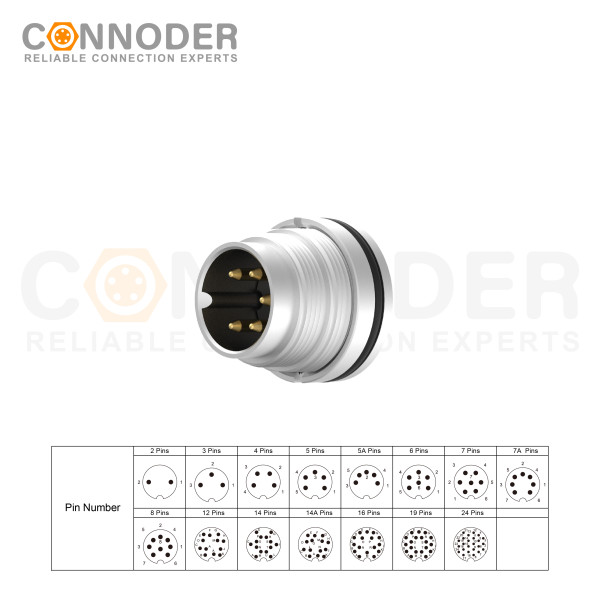
M16 6 Pin Circular Connector A-Code Interface, Waterproof Connector Receptacle Cable, Straight, Front-Locking, Unshielded
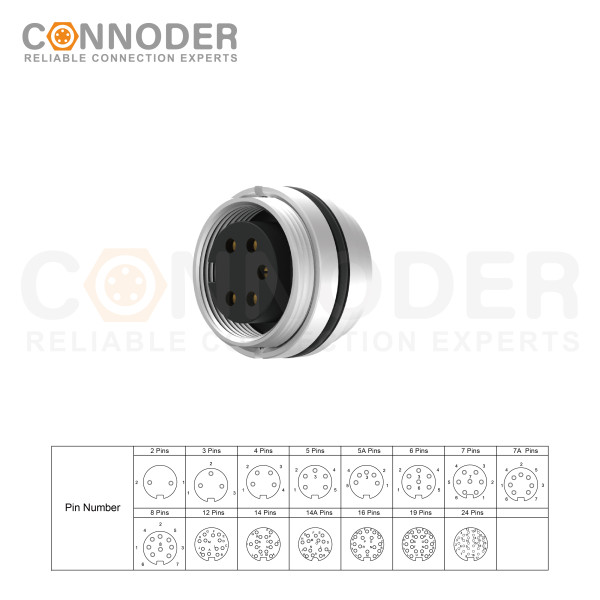
M16 6 Pin Circular Connector assemblies are ideal for demanding industrial applications such as industrial automation and aerospace, marine, and telecom systems.
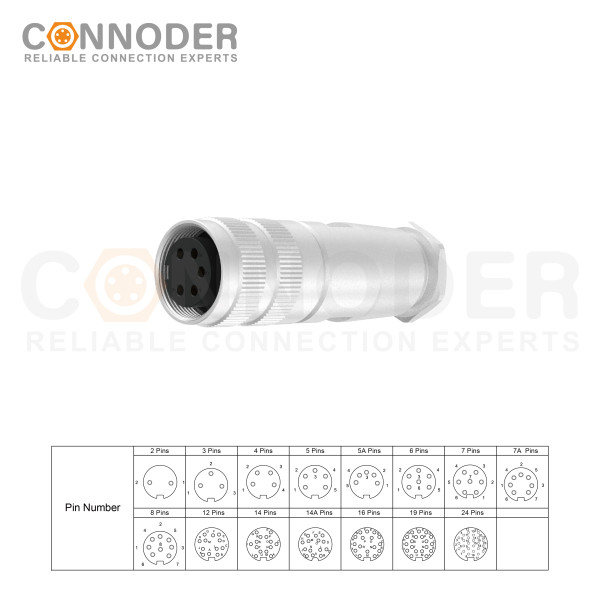
M16 6 Pin Circular Connector are ideal for demanding industrial applications such as industrial automation and aerospace, marine, and telecom systems. M16 Circular Connector are available in quick-lock wiring assembly types with IP67 protection and a vibration-resistant screw design.
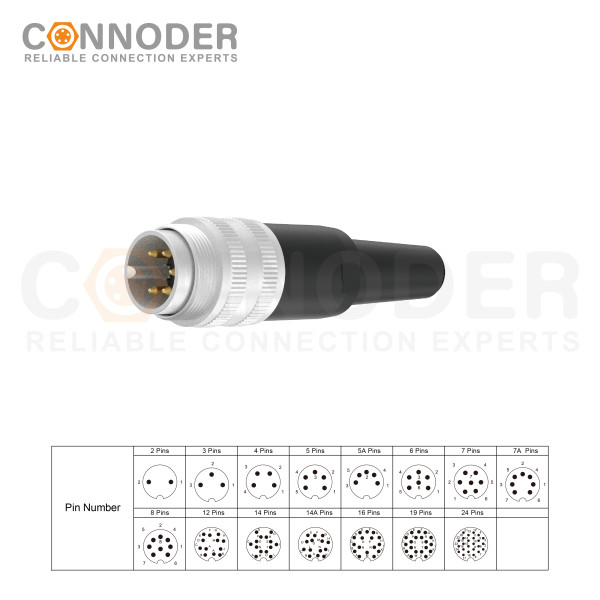
M16 6 Pin Circular Connector are ideal for demanding industrial applications such as industrial automation and aerospace, marine, and telecom systems. M16 Sensor connector are available in quick-lock wiring assembly types with IP67 protection and a vibration-resistant screw design.