What is an electrical connector?
- Share
- Issue Time
- Jun 3,2026
Summary
Electrical connectors are the invisible heroes behind modern electrical and electronic systems. From industrial automation and robotics to renewable energy and transportation, connectors enable the safe transmission of power, signals, and data between devices.
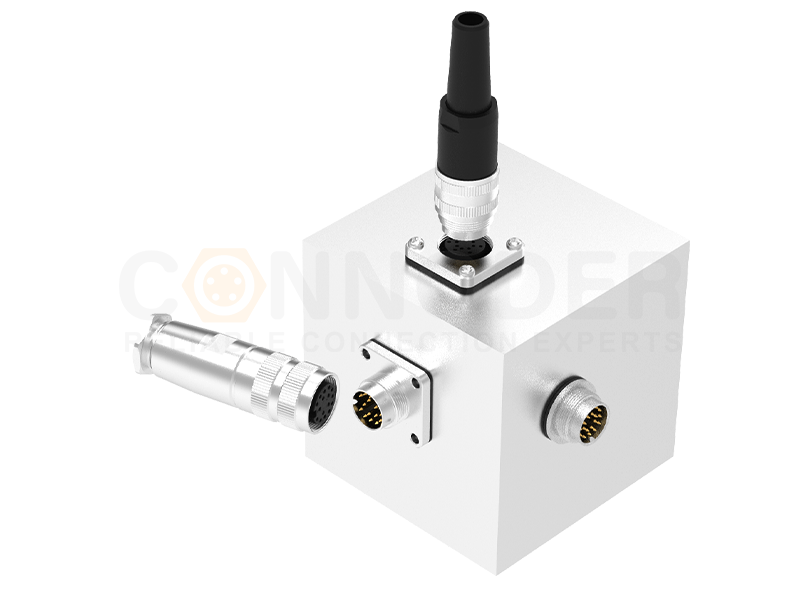
What is an electrical connector?
Introduction
Electrical connectors are the invisible heroes behind modern electrical and electronic systems. From industrial automation and robotics to renewable energy and transportation, connectors enable the safe transmission of power, signals, and data between devices.
What Is an Electrical Connector?
An electrical connector is an electromechanical device designed to join electrical circuits and enable the transfer of power, signals, or data between different components or systems.
Unlike permanent wiring methods such as soldering, connectors allow circuits to be connected and disconnected quickly while maintaining secure electrical contact. In simple terms, connectors serve as the interface that allows electrical energy and information to flow safely from one device to another.
Why Are Electrical Connectors Important?
Simplify installation and maintenance
Enable modular equipment design
Improve system reliability
Reduce downtime during repairs
Protect electrical connections from environmental conditions
Support high-speed data and signal transmission
Circular Connectors
Rugged, compact and versatile — ideal when you need mixed power & signal plus environmental protection.
How Does an Electrical Connector Work?
Electrical connectors operate by creating a conductive pathway between two circuits. When a plug and receptacle are mated, conductive contacts touch each other, establishing electrical continuity and allowing power, signals, or data to flow.
Conductive contacts make physical contact.
Electrical continuity is established.
Power, signals, or data are transmitted.
Locking systems maintain connection stability.
Key Performance Factors
Contact Design
Contact Plating
Mechanical Locking
Environmental Sealing
Main Components of an Electrical Connector
Most electrical connectors contain several key components that work together to ensure reliable performance.
Connector Housing
Provides insulation and mechanical protection using materials such as PA66, PBT, TPU, and metal alloys.
Electrical Contacts
Transmit power and signals through highly conductive materials such as brass and copper alloys.
Locking Mechanism
Maintains secure connections in environments subject to vibration and shock.
Seals & Gaskets
Protect internal components against water, dust, and harsh environmental conditions.
Common Types of Electrical Connectors
Wire-to-Wire Connectors
Used to join cable assemblies in automotive, industrial, and power distribution systems.
Wire-to-Board Connectors
Connect wires directly to printed circuit boards and electronic devices.
Board-to-Board Connectors
Enable communication between multiple PCBs in electronic systems.
Circular Connectors
Circular connectors are among the most widely used connector families in industrial automation because of their compact design, excellent sealing performance, and reliable locking mechanisms.
M5 Connectors
M8 Connectors
M9 Connectors
M12 Connectors
M16 Connectors
7/8" Connectors
Why Circular Connectors Are Essential for Industrial Automation
Industrial automation systems require durable and dependable connectivity solutions. Circular connectors have become the preferred choice due to their superior environmental protection and resistance to vibration.
Excellent waterproof performance
High vibration resistance
Compact installation footprint
Long service life
Reliable signal integrity
About CONNODER
CONNODER is a professional manufacturer specializing in industrial circular connectors, connection cables, and custom wiring solutions. Since 2013, the company has focused on delivering reliable connectivity solutions for industrial automation, robotics, intelligent manufacturing, transportation, medical equipment, and energy management applications.
With a modern manufacturing facility, experienced R&D team, and multiple product certifications, CONNODER provides customers worldwide with dependable connector solutions designed for harsh industrial environments.
Core Product Portfolio
M5 Circular Connectors
M8 Circular Connectors
M9 Circular Connectors
M12 Circular Connectors
M16 Circular Connectors
7/8" Circular Connectors
Custom Cable Assemblies
Connector Accessories
Applications of Electrical Connectors
Industrial Automation
Sensors, actuators, PLCs, and robotic systems.
Medical Equipment
Monitoring systems and diagnostic devices.
Transportation
Vehicle systems and intelligent transportation infrastructure.
Renewable Energy
Solar systems, battery storage, and energy management equipment.
Frequently Asked Questions
What is the purpose of an electrical connector?
It enables the safe transmission of electrical power, signals, and data between separate circuits.
What are the most common connector types?
Wire-to-wire, wire-to-board, board-to-board, circular, RF, and fiber optic connectors.
Why are M12 connectors popular?
M12 connectors offer excellent durability, waterproof protection, and reliable performance in industrial automation applications.
What industries use electrical connectors?
Manufacturing, robotics, transportation, telecommunications, medical equipment, and renewable energy industries all rely on electrical connectors.
Conclusion
Electrical connectors are fundamental to modern electrical systems, enabling reliable transmission of power, signals, and data. By understanding connector types, working principles, and application requirements, engineers and buyers can make informed decisions when selecting connectivity solutions.
With over a decade of experience in industrial connectivity, CONNODER continues to provide high-quality circular connectors, cable assemblies, and custom connection solutions that help customers build smarter, safer, and more reliable systems.
What is an electrical connector?
An electrical connector is an electromechanical device that joins electrical circuits and allows the transmission of power, signals, or data between different components. Unlike permanent wiring methods, connectors can be easily connected and disconnected, making installation, maintenance, and system upgrades more efficient.
How does an electrical connector work?
An electrical connector works by creating a conductive path between two circuits. When the plug and receptacle are mated, the internal contacts touch each other, allowing electrical current, signals, or data to flow while maintaining a secure and reliable connection.
What are the main types of electrical connectors?
The most common types of electrical connectors include wire-to-wire connectors, wire-to-board connectors, board-to-board connectors, circular connectors, RF connectors, and fiber optic connectors. Each type is designed for specific applications and performance requirements.
Why are circular connectors widely used in industrial automation?
Circular connectors are popular in industrial automation because they offer excellent resistance to vibration, dust, moisture, and harsh environments. Connector series such as M8, M12, and M16 provide reliable power and signal transmission for sensors, actuators, PLCs, and industrial Ethernet systems.
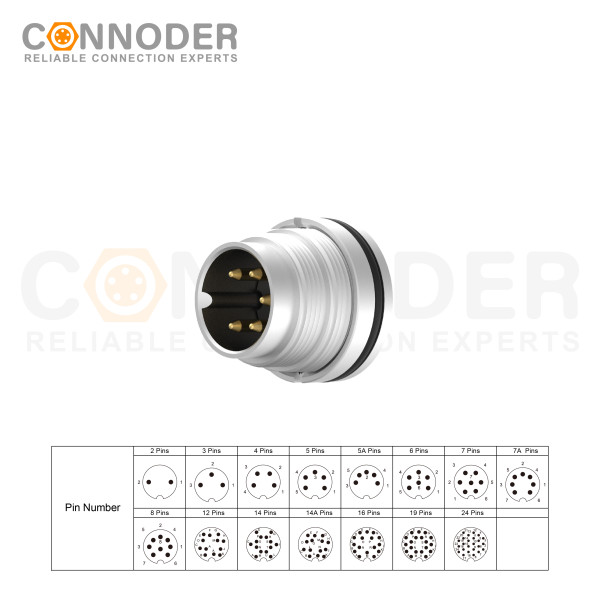
M16 6 Pin Circular Connector A-Code Interface, Waterproof Connector Receptacle Cable, Straight, Front-Locking, Unshielded
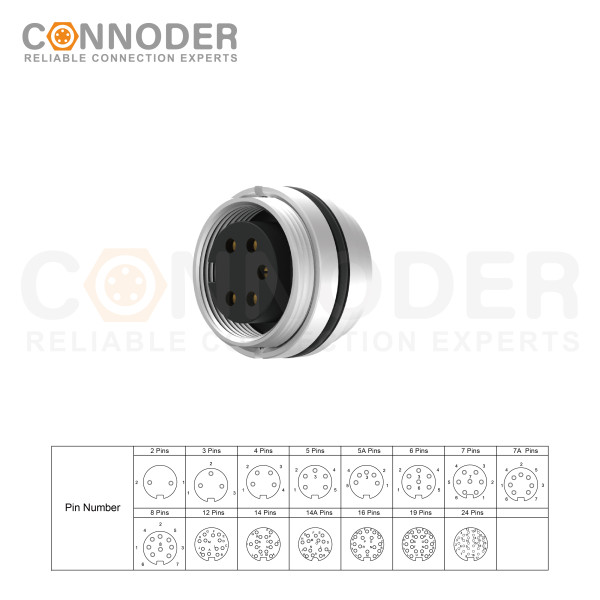
M16 6 Pin Circular Connector assemblies are ideal for demanding industrial applications such as industrial automation and aerospace, marine, and telecom systems.
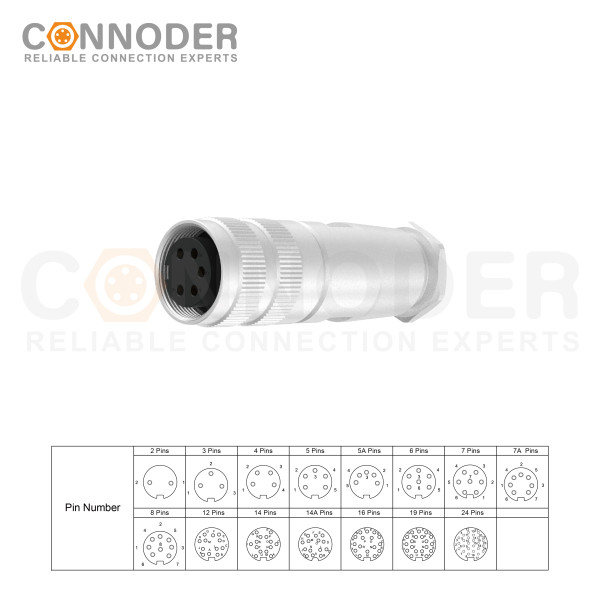
M16 6 Pin Circular Connector are ideal for demanding industrial applications such as industrial automation and aerospace, marine, and telecom systems. M16 Circular Connector are available in quick-lock wiring assembly types with IP67 protection and a vibration-resistant screw design.
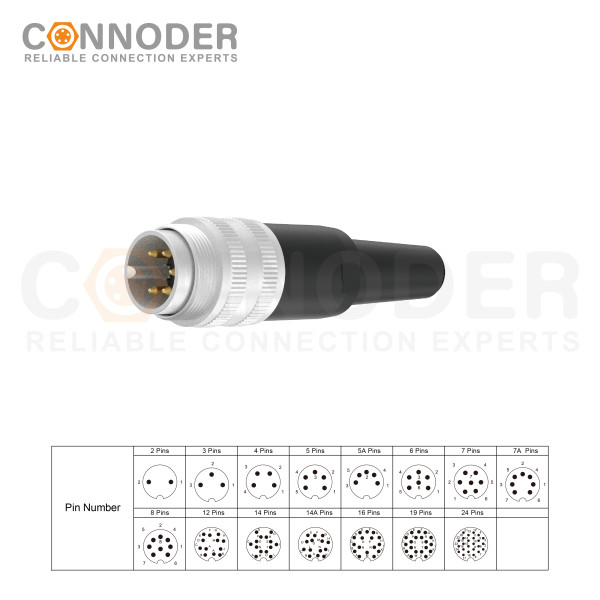
M16 6 Pin Circular Connector are ideal for demanding industrial applications such as industrial automation and aerospace, marine, and telecom systems. M16 Sensor connector are available in quick-lock wiring assembly types with IP67 protection and a vibration-resistant screw design.