What are the differences between surface - mount and through - hole soldering installation methods for connectors?

What are the differences between surface - mount and through - hole soldering installation methods for connectors?

Summary

When selecting connectors for electronic applications, one of the most critical decisions is choosing the right soldering method. Many engineers ask: What are the differences between surface-mount and through-hole soldering installation methods for connectors? This guide provides a clear, practical comparison to help you make informed decisions based on performance, cost, and reliability.
What are the differences between surface mount and through hole soldering installation methods for connectors?

Introduction

When selecting connectors for electronic applications, one of the most critical decisions is choosing the right soldering method. Many engineers ask: What are the differences between surface-mount and through-hole soldering installation methods for connectors? This guide provides a clear, practical comparison to help you make informed decisions based on performance, cost, and reliability.

Circular Connectors
Circular Connectors
Rugged, compact and versatile — ideal when you need mixed power & signal plus environmental protection.

Understanding the Two Installation Methods

Surface-Mount Soldering (SMT)
Surface-mount technology (SMT) involves attaching connectors directly onto the PCB surface using solder paste and reflow soldering. This method is widely used in modern electronics due to its efficiency and compact design capabilities.
No drilled holes required
Highly automated production
Supports high-density layouts
Ideal for compact devices

Through-Hole Soldering (THT)
Through-hole technology (THT) requires connector leads to be inserted into drilled holes and soldered on the opposite side of the PCB, providing superior mechanical strength.
Strong mechanical bonding
High reliability under stress
Suitable for heavy-duty applications
Common in industrial and automotive systems

Key Differences Between SMT and Through-Hole Connector Soldering

Aspect
Surface-Mount (SMT)
Through-Hole (THT)
Installation
Mounted on surface
Inserted into holes
Mechanical Strength
Moderate
Very strong
Production Speed
High
Lower
Cost
 Lower in volume
Higher

Manufacturing Process Comparison

SMT Process
Solder paste printing
Pick-and-place assembly
Reflow soldering

Through-Hole Process
PCB drilling
Component insertion
Wave or selective soldering

Advantages and Limitations

SMT Connectors
High efficiency and automation
Compact design
Lower cost in mass production
Lower mechanical durability

Through-Hole Connectors
Excellent mechanical strength
High resistance to vibration
Reliable in harsh environments
Larger PCB footprint

How to Choose the Right Method

Choose SMT for compact, high-volume designs with minimal mechanical stress. Opt for through-hole soldering when connectors must endure frequent use, vibration, or heavy loads. In many modern designs, a hybrid approach is used to balance performance and cost.

About CONNODER

CONNODER is a professional connector manufacturer specializing in high-performance solutions for industrial and electronic applications. 
Advanced R&D and precision manufacturing
Support for SMT and through-hole connectors
Strict quality control standards
Custom solutions for demanding environments

Conclusion

Understanding the differences between surface-mount and through-hole soldering of connectors helps you select the best solution for your application. SMT offers efficiency and compactness, while through-hole provides strength and durability. Choosing high-quality connectors from trusted manufacturers like CONNODER ensures long-term reliability and performance.
What is the main difference between surface-mount and through-hole soldering of connectors?
The main difference lies in the installation method. Surface-mount (SMT) connectors are mounted directly onto the PCB surface using solder paste, while through-hole (THT) connectors have pins inserted into drilled holes and soldered on the opposite side. THT provides stronger mechanical support, while SMT enables more compact and efficient designs.
Which is more reliable for connectors: SMT or through-hole soldering?
Through-hole soldering is generally more reliable for connectors, especially in applications involving vibration, mechanical stress, or frequent mating cycles. SMT is reliable for lightweight and compact devices but may not offer the same level of mechanical strength as THT.
When should I choose surface-mount connectors over through-hole connectors?
You should choose surface-mount connectors when your design requires high-density PCB layouts, compact size, and high-volume automated production. SMT is ideal for consumer electronics and applications where space and cost efficiency are critical.
Why are through-hole connectors still widely used in industrial applications?
Through-hole connectors are widely used in industrial environments because they provide strong mechanical bonding and can withstand harsh conditions such as vibration, high temperatures, and physical stress. This makes them ideal for automotive, industrial automation, and heavy equipment.
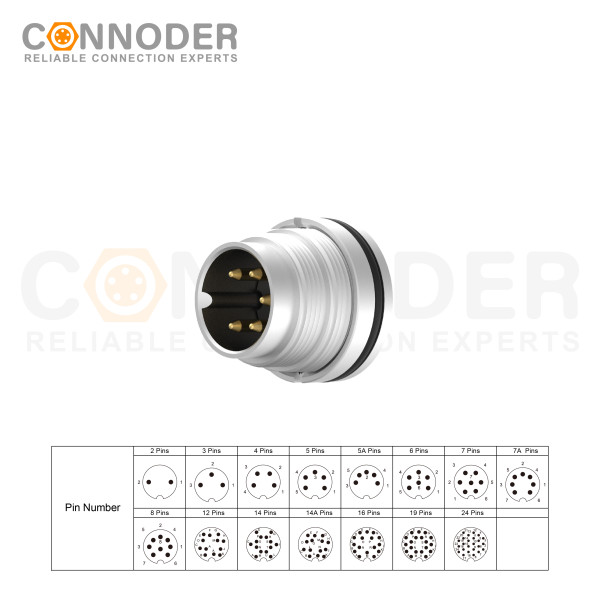
Wholesale M16 6 Pin Circular Connector | Rear Panel Mounted Welded Type Connector Ip67 Waterproof, Industrial Automation Signal Connector
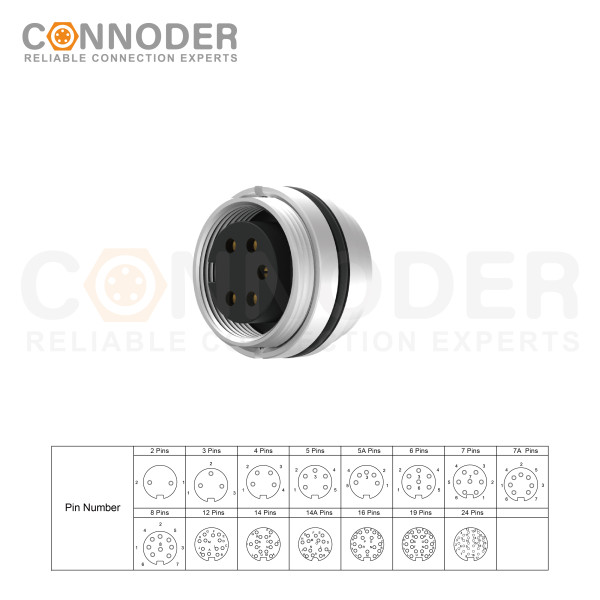
M16 6 Pin Circular Connector A-Code Interface, Waterproof Connector Receptacle Cable, Straight, Front-Locking, Unshielded
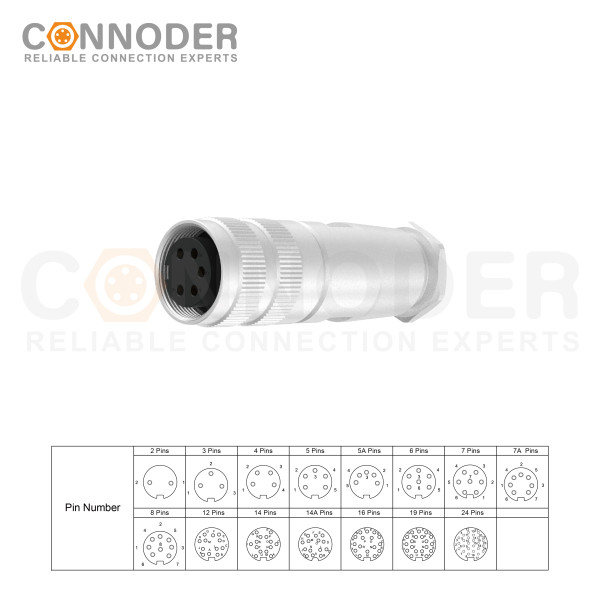
Wholesale M16 Female 6 Pin Circular Connector |  Waterproof Straight Solder Cable Front Fastened Industrial Automation Connector(M18*0.75)
M16 6 Pin Circular Connector assemblies are ideal for demanding industrial applications such as industrial automation and aerospace, marine, and telecom systems.
Wholesale M16 Female 6 Pin Straight Female Solder Circular Connector | Assembled Metal Housing C091 Plug Waterproof Connector
M16 6 Pin Circular Connector are ideal for demanding industrial applications such as industrial automation and aerospace, marine, and telecom systems. M16 Circular Connector are available in quick-lock wiring assembly types with IP67 protection and a vibration-resistant screw design.
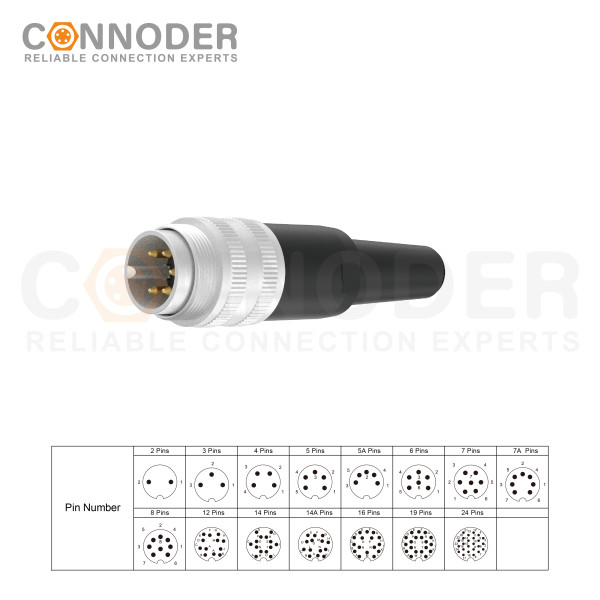
Wholesale M16 Male 5 Pin Circular Connector |  waterproof IP65 Straight Metal Plastic Solder Assembly plug 2 3 4 5 6 7 8 12 14 16 19 24Pin with Plastic Tube
M16 6 Pin Circular Connector are ideal for demanding industrial applications such as industrial automation and aerospace, marine, and telecom systems. M16 Sensor connector are available in quick-lock wiring assembly types with IP67 protection and a vibration-resistant screw design.