Three calculation standards for connector costs — do you know how to compute them?
- Share
- Issue Time
- Jul 17,2026
Summary
When purchasing industrial connectors for automation, new energy, intelligent equipment and robotic projects, most buyers often face confusing quotations from different suppliers. Some manufacturers only give a single unit price without any cost breakdown, making it hard to judge whether the offer is reasonable or contains hidden markup.
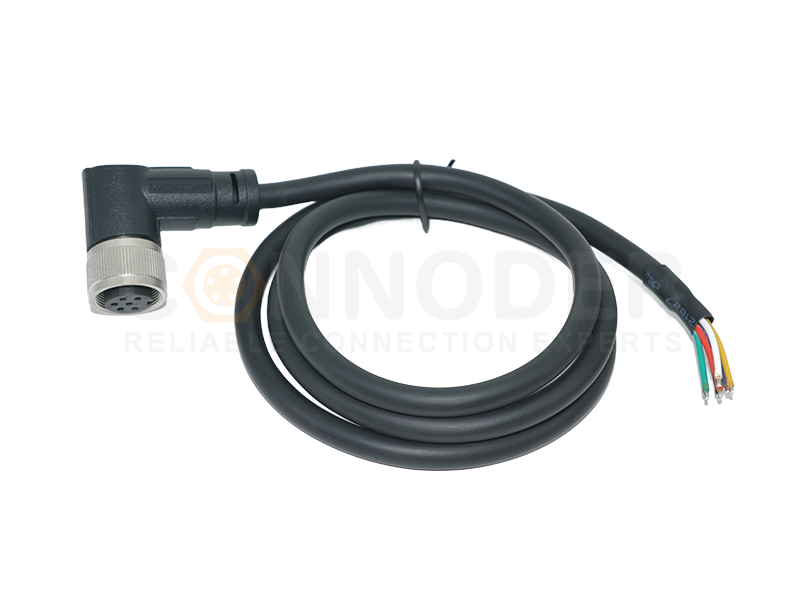
Three calculation standards for connector costs — do you know how to compute them?
Introduction
When purchasing industrial connectors for automation, new energy, intelligent equipment and robotic projects, most buyers often face confusing quotations from different suppliers. Some manufacturers only give a single unit price without any cost breakdown, making it hard to judge whether the offer is reasonable or contains hidden markup.
After sorting through mainstream connector industry pricing logic and authoritative costing articles from professional connector media and foreign supplier websites, CONNODER has sorted out the universally recognized Three Calculation Standards for Connector Costs. This complete costing system covers raw material input, production processing expenses and long-term amortized hidden costs, allowing procurement and engineering teams to accurately verify every quotation item.
As a professional manufacturer focusing on R&D, molding, production and sales of circular waterproof connectors, CONNODER always applies this set of costing standards to all formal quotations to achieve fully transparent pricing. You can check our factory scale, production workshop.
Circular Connectors
Rugged, compact and versatile — ideal when you need mixed power & signal plus environmental protection.
What Are the Three Core Calculation Standards for Connector Costs
The full cost of a finished connector is divided into three independent and interrelated accounting modules, which form the core pricing basis of formal connector manufacturers worldwide. We combine industry mainstream content and CONNODER’s actual production experience to interpret each standard with calculable formulas and practical cases.
Standard 1: Direct Raw Material Cost Calculation Standard
This is the bottom core cost of all connectors, referring to all tangible raw materials consumed to produce a single finished product.
Main Included Items: Insulation plastic housing, brass/copper alloy terminals, tin or gold electroplating layer, silicone sealing rings, insulating sleeves and matched cable materials.
Core Calculation Formula: Single-piece Material Cost = (Unit price of raw material × actual consumption per product) − residual value of recyclable leftover materials
Key Influencing Factors:
Different plastic grades (ordinary PA66 vs flame-retardant UL94-V0 high temperature resistant material) create obvious price gaps;
Plating thickness and plating area directly determine precious metal consumption and cost;
Mold layout affects stamping waste rate, further changing overall material loss.
CONNODER Implementation Advantage: For all bulk orders and customized projects, our sales team can provide a detailed material breakdown list on demand. Our M5, M8, M12, M16 serial products adopt real-time linkage pricing with international copper and plastic raw material market trends. For large batch orders, recyclable stamping leftover materials will be deducted from the total bill to lower clients’ comprehensive procurement cost.
Standard 2: Labor & Production Overhead Cost Calculation Standard
This standard targets all expenses generated during processing, assembly and inspection procedures after raw materials are in place.
Main Included Items: Injection molding processing, terminal stamping, automatic crimping, manual assembly, IP waterproof testing, appearance size inspection, production line equipment depreciation and factory daily operation overhead.
Core Calculation Formula: Unit Process Overhead Cost = Total daily operating cost of the production line ÷ number of qualified finished products output per day
Fully automated production lines have far lower single-piece amortized cost than semi-manual assembly lines, which explains the large price difference between small trial orders and mass bulk orders.
CONNODER Production Strength: CONNODER has built a full-automatic integrated production workshop for circular connectors, covering independent mold development, injection molding, stamping and finished product assembly. For annual orders above 50,000 pieces for new energy and automation equipment customers, we will prioritize production line scheduling to compress amortized manufacturing costs and feed preferential pricing back to long-term partners.
Standard 3: Amortized Indirect Comprehensive Hidden Cost Calculation Standard
This part is the most easily ignored by purchasers, and it is also the main source of subsequent budget overrun in customized connector projects.
Main Included Items: One-time NRE mold development fee, third-party certification fees (CE, IP waterproof grade, RoHS, IATF16949 automotive certification), batch reliability testing cost, special packaging, cross-border logistics and tariff, after-sales technical support and after-sale warranty risk cost.
Core Calculation Formula: Amortized single-piece indirect cost = Total one-time fixed expenditure ÷ total planned order quantity
The larger the cumulative order quantity, the lower the apportioned hidden cost per unit product. If the order volume cannot dilute mold and certification expenses, manufacturers will list these fees separately in quotations.
CONNODER Clear Customized Service Rules: For exclusive customized connectors with non-standard pin definitions and special structural requirements, CONNODER will clearly itemize mold opening fees, testing charges and certification expenses in quotations without any hidden charges. For repeated ordering long-term cooperative customers, we will cancel subsequent mold amortization costs after the cumulative order quantity reaches the agreed amount, greatly reducing long-term procurement expenditure.
Common Misjudgments When Calculating Connector Costs
Only compare the unit price of finished products, neglecting that customized products involve one-time mold fees which will lead to additional costs in the first order;
Choose ultra-low-priced connectors without checking material standards, resulting in insufficient plating thickness and inferior plastic material, causing equipment short circuit and waterproof failure in actual use;
Overseas buyers fail to calculate landed costs including international freight and customs duties based on the third calculation standard, leading to serious out-of-budget in the later procurement link.
By strictly referring to the three calculation standards introduced above, buyers can effectively screen out overpriced suppliers and shoddy low-cost products, and realize scientific budget control in the whole supply chain.
CONNODER Product & Service Matching This Cost Standard System
Main Product Range
We mainly develop and produce industrial circular connectors including M5, M8, M12, M16 series, covering straight/right angle male & female connectors, panel mount, flange installation, cable overmolded and wire-to-wire docking types. Our products are widely applied in industrial automation, new energy storage equipment, medical devices, intelligent logistics and security monitoring fields.
Standardized Quotation Mechanism
All offers issued by CONNODER strictly follow the three calculation standards in this article. Upon customer request, our business department can provide itemized cost lists of materials, processing and amortized expenses to ensure pricing openness and traceability.
Complete Qualification System
Our products pass IP67/IP68 waterproof testing, RoHS environmental compliance and CE certification. For automotive-grade connector projects, we implement production management in accordance with IATF16949 quality system to meet high-standard supply chain requirements.
Flexible Order Support
Support small-batch sample trial production, medium and large batch mass production, non-standard structural customization as well as OEM & ODM brand co-development.
Practical Calculation Demonstration Case
Take CONNODER classic M12 4-pin straight male connector as a real calculation example:
Standard 1: Fixed material cost of plastic shell, copper contacts, tin plating and waterproof sealing ring;
Standard 2: Amortized equipment depreciation and labor cost from automatic assembly line;
Standard 3: Shared mold cost allocated to cumulative orders plus conventional packaging and factory inspection fees.
The final unit selling price is the sum of the three parts above. If you need customized pin assignment, special cable overmolding or high gold-plating requirements, our team will generate a full cost calculation report strictly based on the three standards.
Conclusion
The Three Calculation Standards for Connector Costs are not merely internal pricing rules for connector manufacturers, but also essential reference tools for purchasers to avoid risks and optimize procurement costs.
If you are looking for a reliable circular connector manufacturer with transparent pricing, stable product quality and flexible customized capabilities, CONNODER can provide targeted quotation evaluation, free sample testing and one-stop connector matching solutions for your engineering projects.
Related Recommended Reading
CONNODER M12 Series Industrial Waterproof Connector Full Parameter Introduction
How to Reduce Procurement Cost of Circular Connectors with Standardized Cost Accounting
Company Profile & Production Capacity Introduction of CONNODER Connector Manufacturer
What are the three calculation standards for connector costs?
The three authoritative industry calculation standards for connector costs include direct raw material cost standard, labor & production overhead cost standard, and amortized indirect hidden cost standard. Together they cover all expenses of connector production, processing, customization and after-sales, forming a complete and transparent costing system adopted by professional manufacturers like CONNODER.
How to calculate the raw material cost of industrial connectors?
The core calculation formula is single-piece material cost = (raw material unit price × actual product consumption) − recyclable leftover residual value. It mainly accounts for plastic housing, copper terminals, electroplating layer and sealing materials. CONNODER adopts real-time market-linked raw material pricing to ensure fair and transparent material cost accounting.
What hidden costs are included in connector pricing?
Hidden indirect costs easily ignored by buyers cover one-time NRE mold fees, product certification fees (CE, IP68, RoHS, IATF16949), batch testing costs, special packaging, cross-border logistics and tariff expenses, as well as after-sales warranty and technical service costs. These costs will be amortized to unit products based on order quantity.
Why do connector prices vary between small orders and bulk orders?
The price gap mainly comes from amortized production and indirect costs. Bulk orders can fully dilute automatic production line overhead, mold development and certification costs, greatly reducing single-piece cost. As a professional circular connector manufacturer, CONNODER offers preferential pricing for long-term bulk orders and waives mold amortization fees for repeat cooperative customers.
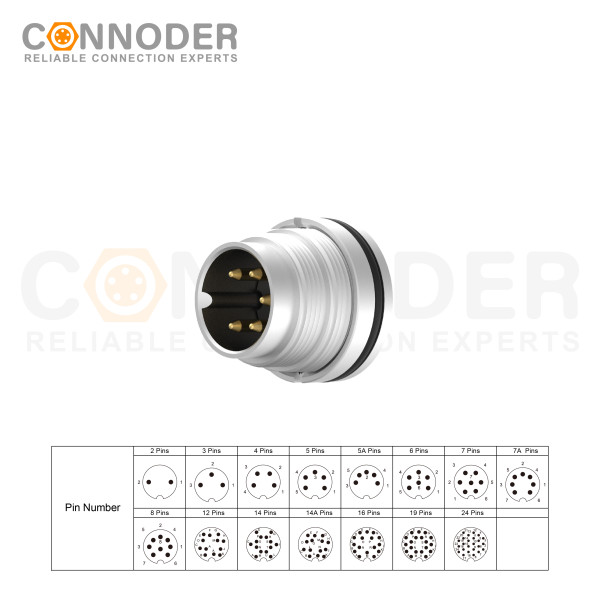
M16 6 Pin Circular Connector A-Code Interface, Waterproof Connector Receptacle Cable, Straight, Front-Locking, Unshielded
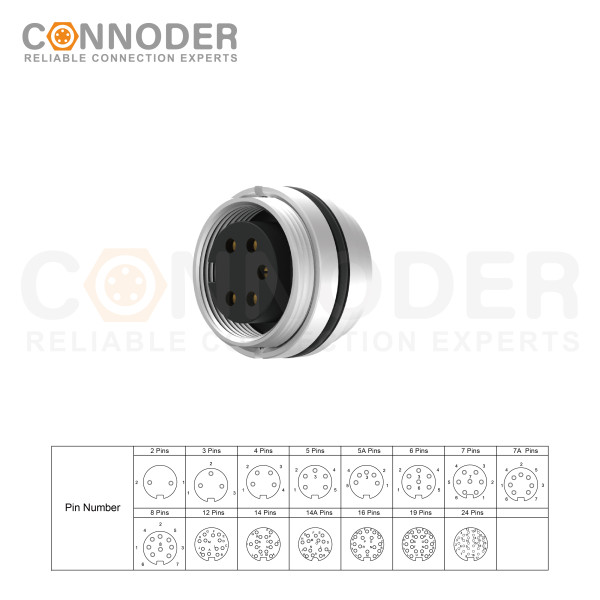
M16 6 Pin Circular Connector assemblies are ideal for demanding industrial applications such as industrial automation and aerospace, marine, and telecom systems.
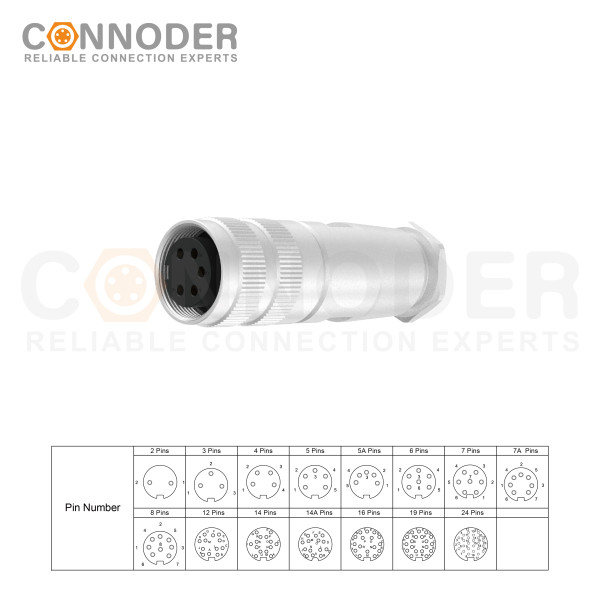
M16 6 Pin Circular Connector are ideal for demanding industrial applications such as industrial automation and aerospace, marine, and telecom systems. M16 Circular Connector are available in quick-lock wiring assembly types with IP67 protection and a vibration-resistant screw design.
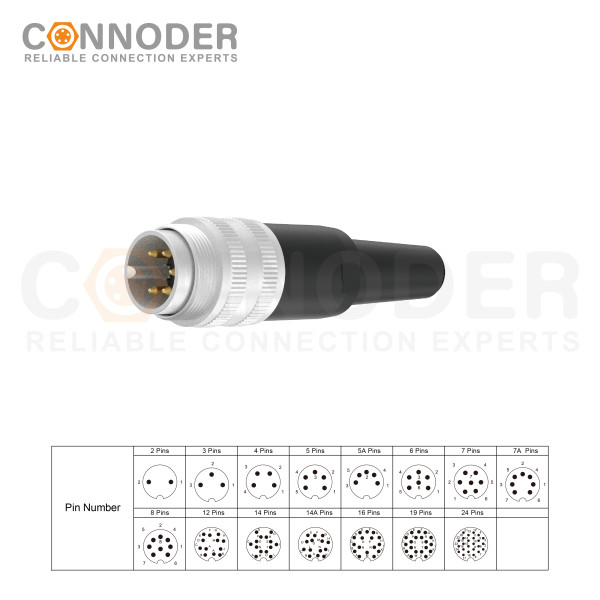
M16 6 Pin Circular Connector are ideal for demanding industrial applications such as industrial automation and aerospace, marine, and telecom systems. M16 Sensor connector are available in quick-lock wiring assembly types with IP67 protection and a vibration-resistant screw design.