How does the straight-end and curved-end design of the circular connector solve the wiring stress problem in narrow spaces?
- Share
- Issue Time
- Sep 21,2026
Summary
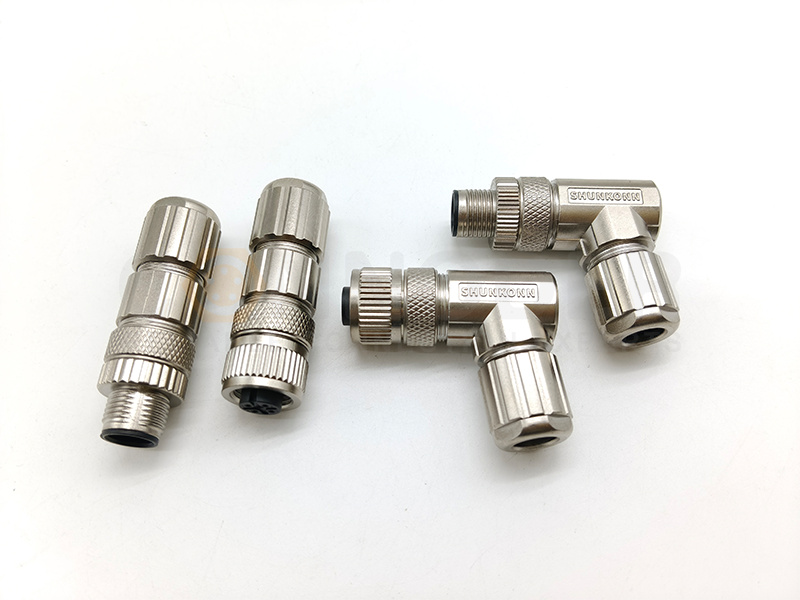
The straight and curved designs of the circular connector serve the function of controlling cable exit direction, optimizing installation space, and reducing unnecessary wiring stress. In compact industrial equipment, connector geometry can directly influence cable routing, bend radius, installation clearance, and long-term mechanical reliability.
Introduction
The straight and curved designs of the circular connector serve the function of controlling cable exit direction, optimizing installation space, and reducing unnecessary wiring stress. In compact industrial equipment, connector geometry can directly influence cable routing, bend radius, installation clearance, and long-term mechanical reliability.
What Do Straight and Curved Circular Connector Designs Actually Do?
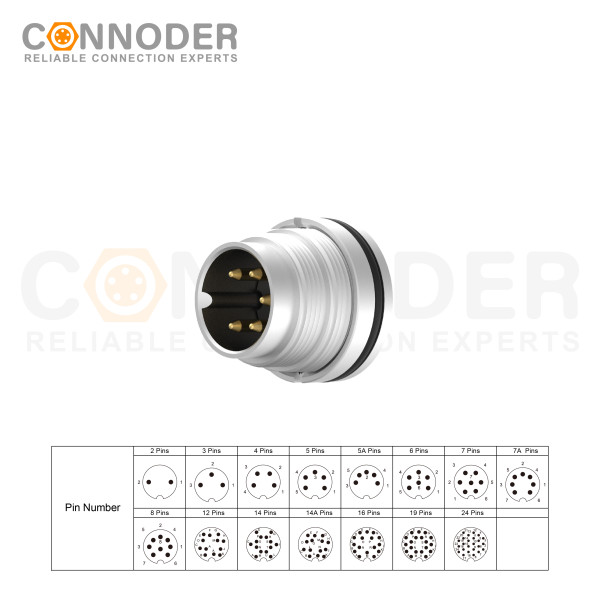
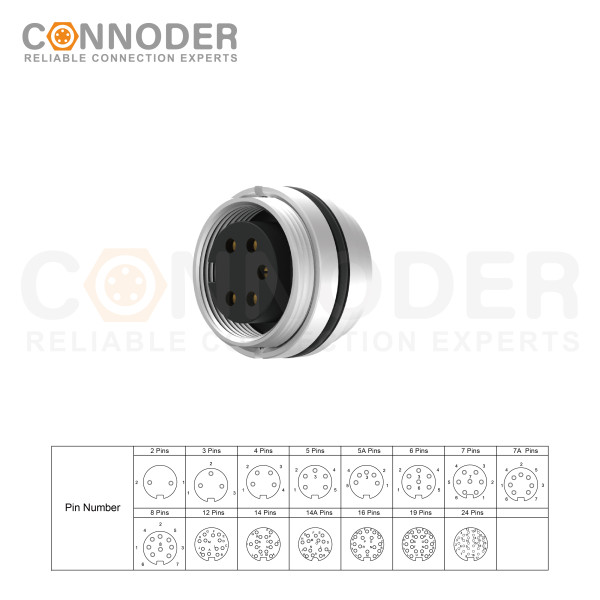
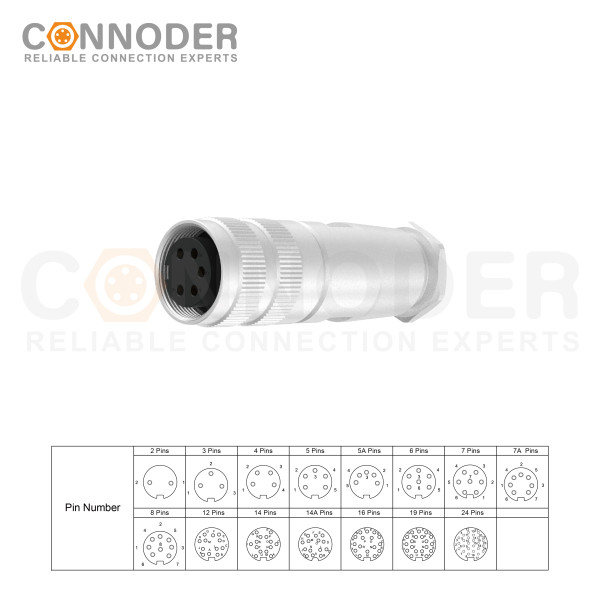
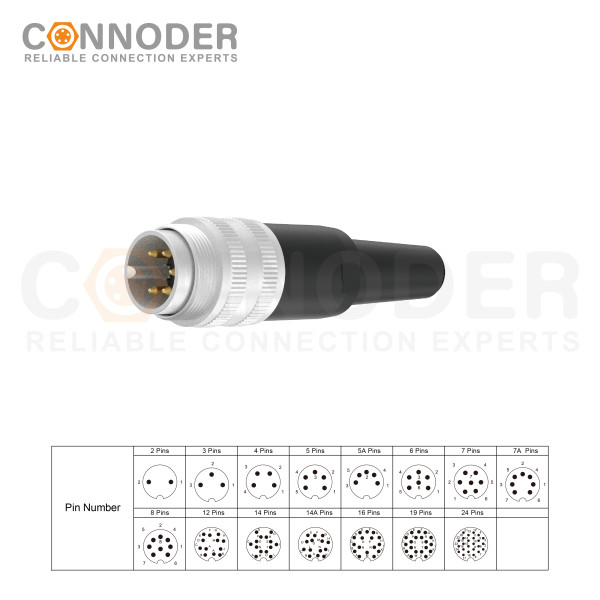
Straight Circular Connector
A straight connector provides an axial cable exit and is generally suitable when there is sufficient space behind the connector.
- Direct cable routing
- Simple installation
- Easy access in open layouts
- Suitable for applications with adequate rear clearance
Curved or Right-Angle Circular Connector
A right-angle connector redirects the cable, allowing it to route through available side space instead of extending directly behind the connector.
- Reduced rear clearance requirements
- Sideways cable routing
- Better use of compact installation space
- Useful around panels, PCBs, walls, and machine structures
Why Is Wiring Stress a Problem in Narrow Spaces?
How Does a Straight Circular Connector Manage Cable Routing?
How Does a Curved Design Reduce Wiring Stress?
Straight Configuration
Connector → straight cable exit → cable forced to turn
Right-Angle Configuration
Connector → 90° cable exit → side routing → destination
How to Select the Right Design for Narrow Industrial Equipment
CONNODER: Circular Connector Solutions for Different Installation Requirements
Straight or Curved: What Should Engineers Consider?
- Rear space is sufficient.
- The cable route is direct.
- There are few obstructions.
- Easy access is important.
- Rear clearance is limited.
- The cable needs to turn immediately.
- The cable must run parallel to a panel or PCB.
- Adjacent components obstruct a straight route.
- Compact cable routing is important.