Differences between Plastic and Metal Materials for M - series Circular Connectors
- Share
- Issue Time
- Apr 27,2026
Summary
Choosing the right connector material is a critical decision in industrial design. Understanding the differences between plastic and metal materials becomes especially important when working with M-series circular connectors (M5, M8, M12), widely used in automation, sensors, and industrial equipment.
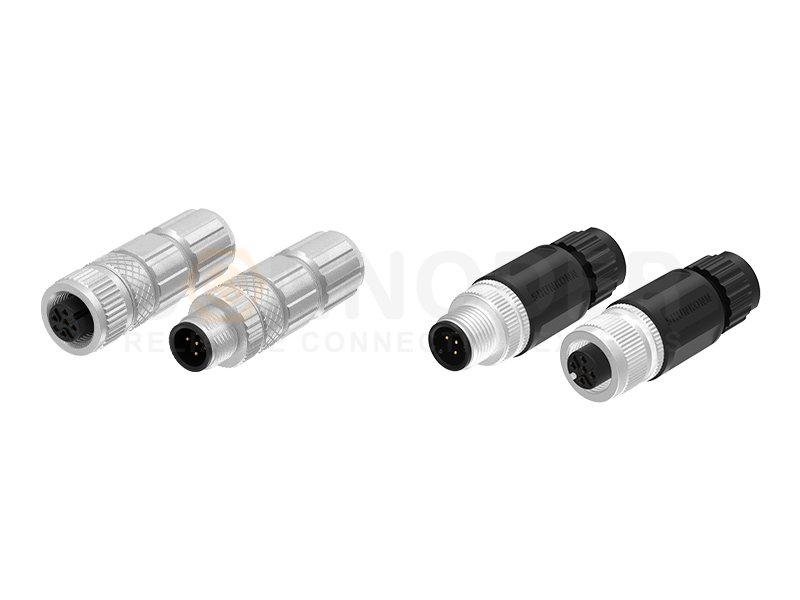
Differences between Plastic and Metal Materials for M - series Circular Connectors
Introduction
Choosing the right connector material is a critical decision in industrial design. Understanding the differences between plastic and metal materials becomes especially important when working with M-series circular connectors (M5, M8, M12), widely used in automation, sensors, and industrial equipment.
This guide combines industry best practices and real-world applications to help engineers and buyers select the most suitable material while also introducing reliable solutions from Connoder.
Circular Connectors
Rugged, compact and versatile — ideal when you need mixed power & signal plus environmental protection.
Material Basics: Plastic vs Metal
Plastic and metal are the most common materials used in connector housings, each offering distinct advantages:
Plastic materials (PA, PBT, PVC): lightweight, corrosion-resistant, cost-effective
Metal materials (brass, stainless steel): high strength, durable, excellent EMI shielding
These differences directly affect connector performance, lifespan, and application suitability.
Mechanical Strength and Durability
Metal connectors provide superior mechanical strength, making them ideal for harsh environments involving vibration, impact, and heavy loads.
Plastic connectors, while lighter, offer sufficient durability for many applications and better flexibility under certain conditions.
Metal: best for industrial automation and heavy machinery
Plastic: ideal for sensors, compact devices, and electronics
Environmental Resistance
Environmental conditions are key when selecting connector materials:
Plastic connectors: excellent resistance to moisture, corrosion, and chemicals
Metal connectors: better performance in extreme temperatures and outdoor conditions
For outdoor automation systems, metal M12 connectors are often preferred for their rugged structure and durability.
Key Insight:
Choose plastic for corrosion resistance and metal for extreme environmental durability.
EMI Shielding and Electrical Performance
One of the biggest differences between plastic and metal materials is electromagnetic compatibility:
Metal: provides natural EMI shielding for stable signal transmission
Plastic: offers electrical insulation but no shielding capability
Metal connectors are recommended for data transmission and signal-sensitive applications.
Weight and Design Flexibility
Plastic connectors are significantly lighter and allow complex designs through injection molding, making them suitable for high-volume production.
Metal connectors, while heavier, provide higher structural strength and a premium industrial feel.
Cost and Manufacturing Efficiency
Cost is often a decisive factor in material selection:
Plastic: lower cost, efficient mass production
Metal: higher cost due to machining and finishing processes
However, metal connectors often provide better long-term reliability and value.
Why Choose Connoder?
Connoder is a professional manufacturer specializing in high-quality M-series circular connectors, offering both plastic and metal housing solutions.
✔ Full range: M5, M8, M12 connectors
✔ Custom solutions for different environments
✔ Reliable performance in harsh conditions
✔ Strict quality control and international standards
We are committed to helping customers select the right connector solution based on real application needs.
Conclusion
Understanding the differences between plastic and metal materials is essential for choosing the right M-series circular connector. Each material offers unique advantages depending on environment, performance, and cost requirements.
For reliable, high-performance connector solutions, Connoder is your trusted partner.
What are the main differences between plastic and metal materials in connectors?
Plastic connectors are lightweight, corrosion-resistant, and cost-effective, while metal connectors offer higher strength, better durability, and excellent EMI shielding. The choice depends on application requirements such as environment, load, and signal performance.
Which is better for M12 connectors, plastic or metal housing?
Metal housings are better for harsh industrial environments and applications requiring EMI shielding, while plastic housings are ideal for lightweight, cost-sensitive, and corrosion-prone environments.
Why are metal connectors preferred in industrial automation?
Metal connectors provide superior mechanical strength, resistance to vibration, and better protection against extreme temperatures, making them ideal for demanding industrial automation environments.
Are plastic connectors durable enough for industrial use?
Yes, plastic connectors are durable for many industrial applications, especially in environments where corrosion resistance, lightweight design, and cost efficiency are more important than extreme strength.
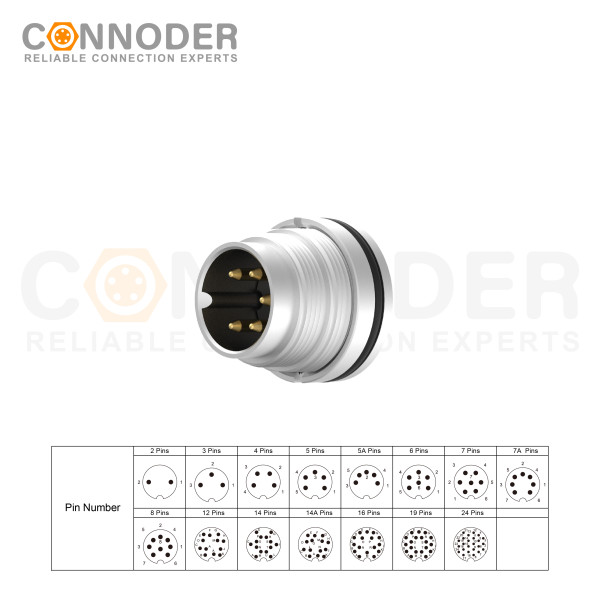
M16 6 Pin Circular Connector A-Code Interface, Waterproof Connector Receptacle Cable, Straight, Front-Locking, Unshielded
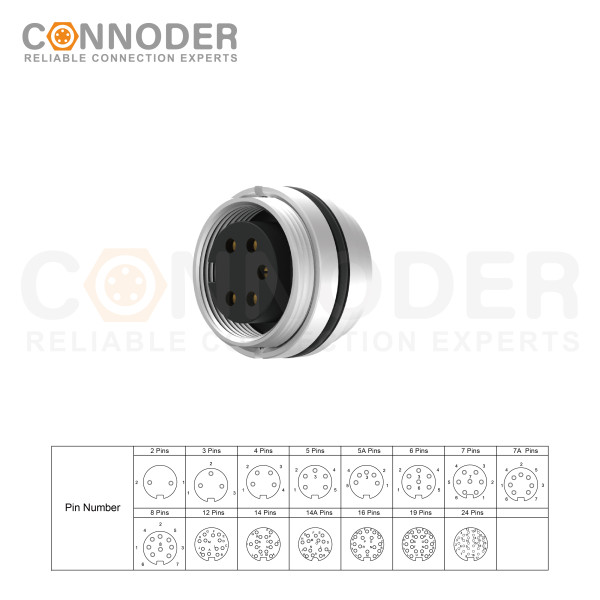
M16 6 Pin Circular Connector assemblies are ideal for demanding industrial applications such as industrial automation and aerospace, marine, and telecom systems.
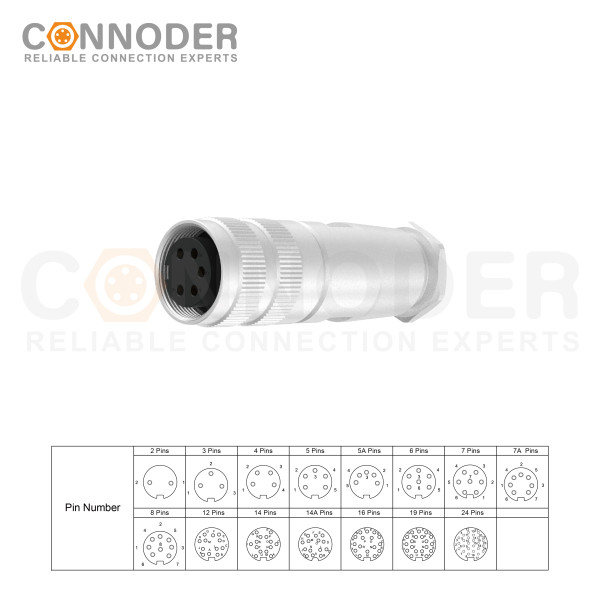
M16 6 Pin Circular Connector are ideal for demanding industrial applications such as industrial automation and aerospace, marine, and telecom systems. M16 Circular Connector are available in quick-lock wiring assembly types with IP67 protection and a vibration-resistant screw design.
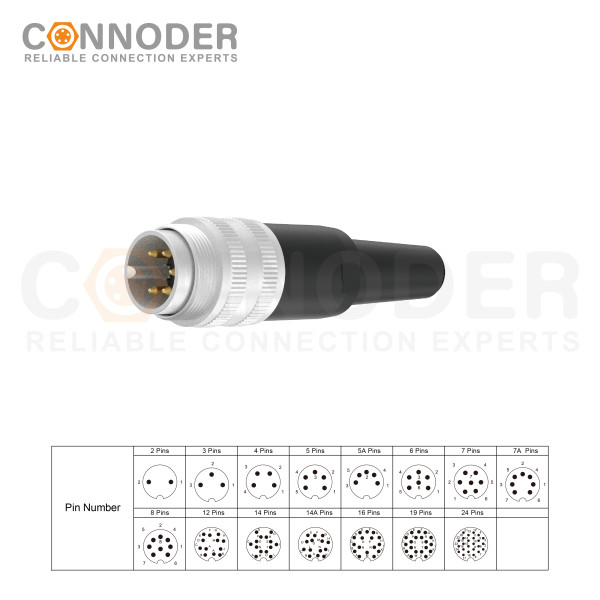
M16 6 Pin Circular Connector are ideal for demanding industrial applications such as industrial automation and aerospace, marine, and telecom systems. M16 Sensor connector are available in quick-lock wiring assembly types with IP67 protection and a vibration-resistant screw design.